How Strong is the Turkish Passport?

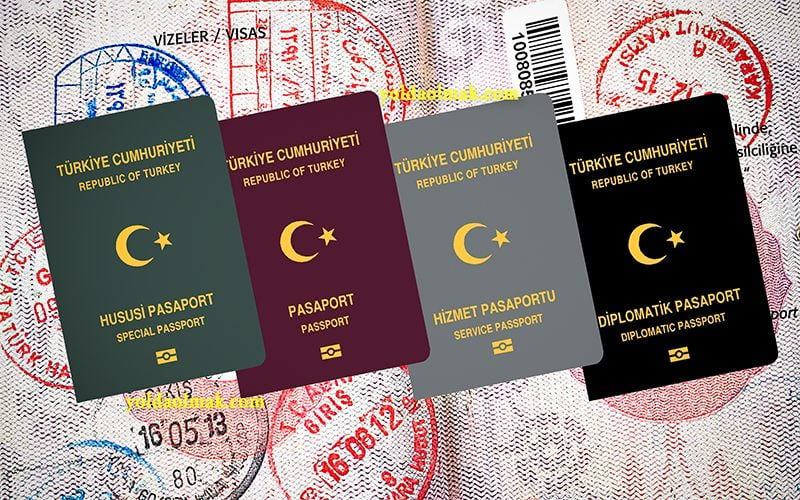
The Turkish passport, ranked 42nd in the global passport index published by Passport Index, has been in the spotlight in recent years due to both difficulties in accessing visas and high rejection rates for Schengen applications.
Passports represent countries internationally while also serving as indicators of geopolitical inequalities. While some passports allow holders to travel abroad simply by booking a flight ticket, others require making an appointment at the nearest consulate, presenting documents proving identity and financial means, and then waiting for weeks for a decision.
In the global passport index published by Passport Index that reveals the changes and inequalities experienced in the last 10 years, the Turkish passport ranks 42nd globally. The ranking published by Passport Index evaluates metrics such as the number of destinations accessible with visa-on-arrival, ETA, or expedited e-visa when determining a country's position. In the list, where some passports share the same ranking, the worst possible ranking was determined to be 96.
In 2025, 15 out of every 100 Turkish citizens applying for a Schengen visa received a rejection. While the visa fees paid for applications from Türkiye reached €114 million in 2025, the money wasted due to rejections amounted to €17 million.
On the other hand, the trajectory of the burgundy passport in the global rankings has shown a downward trend in the last decade. The Henley Passport Index highlighted that the number of destinations the Turkish passport holders cannot enter without a visa increased from 38 to 52. Tajikistan ended visa-free entry for Turkish passport holders in 2024, reintroducing the mandatory visa requirement, while Turkmenistan ended its reciprocal visa-free program with Turkey at the request of the Turkish government. The index stated that the decline was mainly due to concerns about irregular migration.
A significant development for holders of burgundy passports occurred in April 2024 when Greece introduced visa-on-arrival for 12 islands. The visa-on-arrival program, implemented for Kos, Lesbos, Rhodes, Samos, Chios, Leros, Kalymnos, Kastellorizo, Symi, Patmos, and Samothrace, was launched to increase tourism between Turkey and Greece. Initially covering 10 islands, the program was expanded to include all 12 islands in 2026 due to high demand.
This special visa offers Turkish citizens and their accompanying family members the opportunity to visit the islands without needing a Schengen visa. Express visas are only valid for these specific islands and cannot be used for travel to other parts of Greece.
Although not included in the Passport Index ranking, the Turkish green passport is considered among the top 20 passports globally in terms of the visa-free travel opportunities it offers. The green passport, which allows visa-free entry to over 160 countries, is issued to first, second, and third-degree public officials, former members of parliament, and their families.
Due to the visa crisis experienced with holders of burgundy passports in European countries, demand for green passports in Turkiye has reached its peak, and successive legislative proposals have been submitted to the Grand National Assembly of Turkey (TBMM) to include different professional groups in this scope.
Another legislative proposal submitted in February 2026 requested green passports for dentists, veterinarians, and architects. According to the proposal, these groups, registered with professional chambers and having completed at least 15 years in their profession, would be granted visa-free travel rights to enable them to follow scientific and technical developments firsthand.
The Turkish Journalists Association continues to call for legal regulations to grant green passports to journalists holding press cards, so that they can carry out their professional activities freely, quickly, and effectively. Despite legislative proposals being submitted to the TBMM from time to time and promises of support being made, a comprehensive legal regulation has not yet been included on the parliamentary agenda.
Armand Arton, director of Passport Index, a website that tracks visa requirements, said, “People think that visa walls have increased with the rise of the far right in various parts of the world, but statistics show that an increasing number of countries are signing visa-free travel agreements.”
While most passports have seen increased travel freedom over the past decade, some have fallen in the rankings like the Turkish passport. Vanuatu dropped 14 places after EU and UK removed the island nation from visa exemption citing concerns about its “citizenship investment” program. The United States, meanwhile, fell five places to ninth this year due to measures taken in response to Washington’s tightening of visa requirements.
Ultimately, the Turkish passport's declining standing is a reflection of Turkiye's deteriorating diplomatic relations with key partners. While governments across the world have expanded visa-free travel through agreements, Turkish citizens have faced higher rejection rates and increasing financial costs to travel abroad. Despite repeated promises to resolve the Schengen visa crisis and proposals to expand access to green passports for selected professions, the government has yet to address the structural factors that have contributed to the loss of travel freedom.
Written By: Cemre Sanlav


